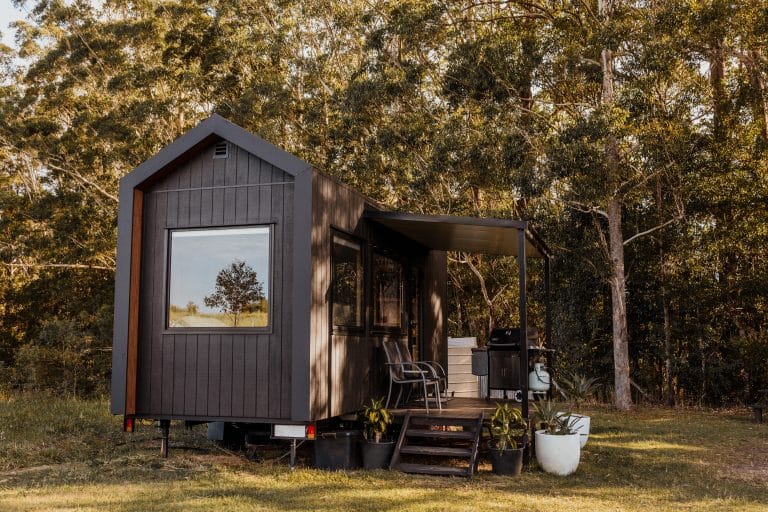
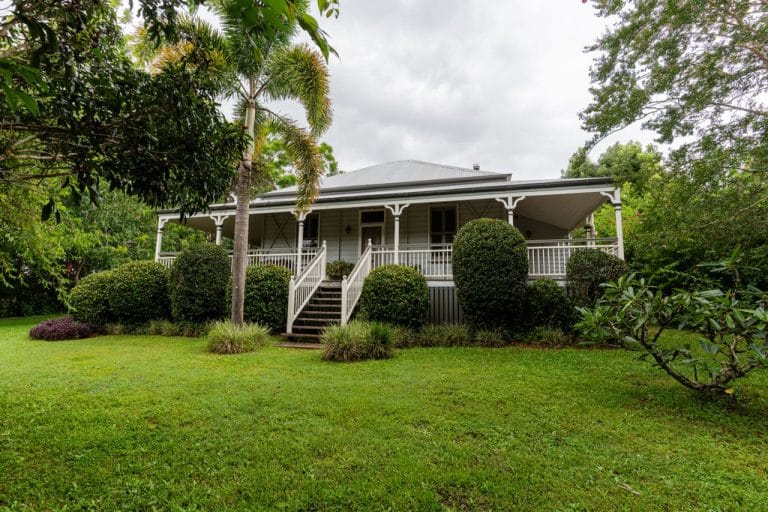
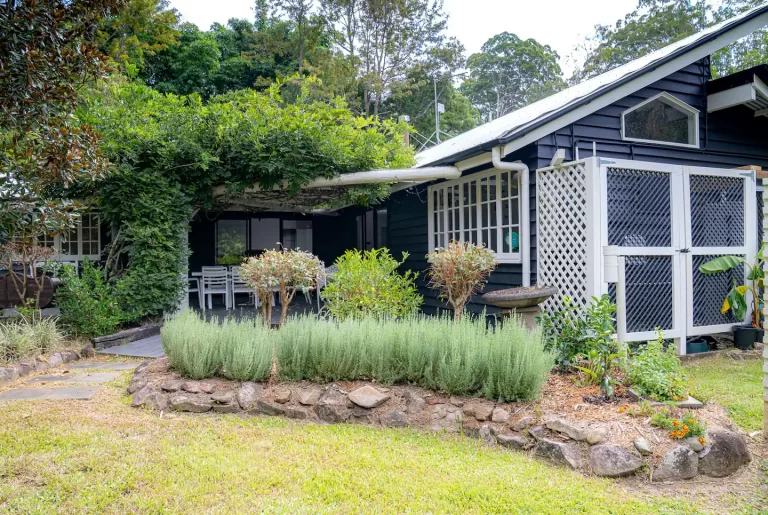
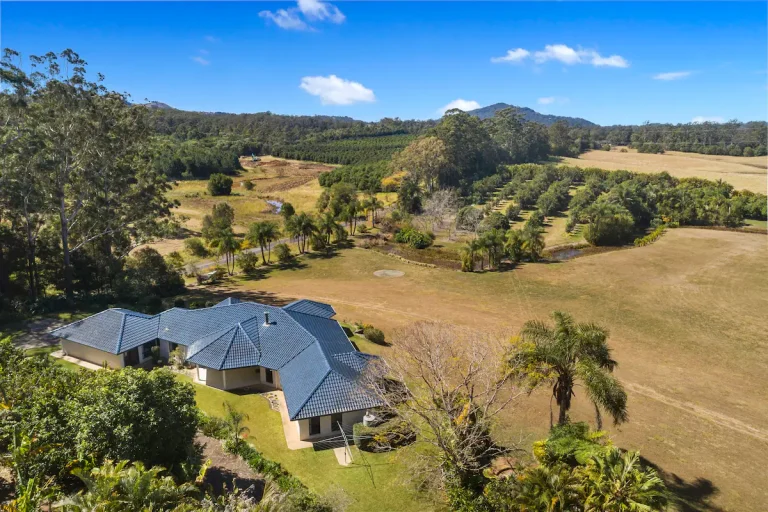
Almost all of them are self-catered. You get a cottage, cabin, tiny house or house with its own kitchen, and the farm around it. Meals, if offered at all, are usually a breakfast basket or a one-off dinner; bring your own food, and check how far the nearest supermarket is before you arrive.
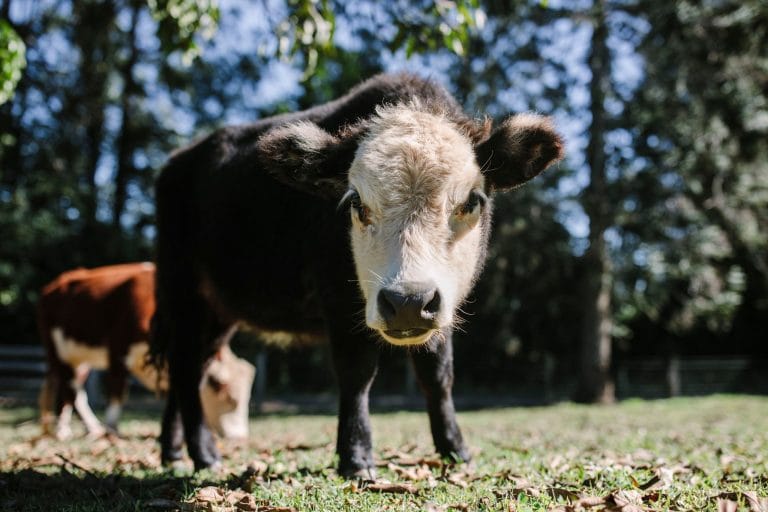
The animals are what children remember. On a hobby farm like ours, feeding the alpacas, mini cows, goats, pigs, sheep, horses, chickens and ducks is included and you do it whenever you like. On bigger working properties the animals are stock, not pets, and contact may be a scheduled tour. Ask which kind of farm it is; both are good, but they are different holidays.
Expect a two-night minimum at most places, a deposit on booking, and prices that run from about A$150 a night for a basic cabin to well over A$1,000 for a large house for a group. Weekends and school holidays book out first everywhere; midweek is cheaper or easier almost everywhere, and at some farms, including ours, last-minute weeknights are discounted.
The season matters more than in a city. April to September is dry, clear and cool at night across the south-east, and the best time for fires, walks and the animals. December to February is hot and often wet, with afternoon storms; still a good time for a farm with a creek or near the beach, as long as you plan the animals for mornings and evenings. The Queensland school holiday dates are when families book, so book early or go midweek.